

Legionnaires’ Disease in Canada: Why the Risk Is Rising in 2025
|
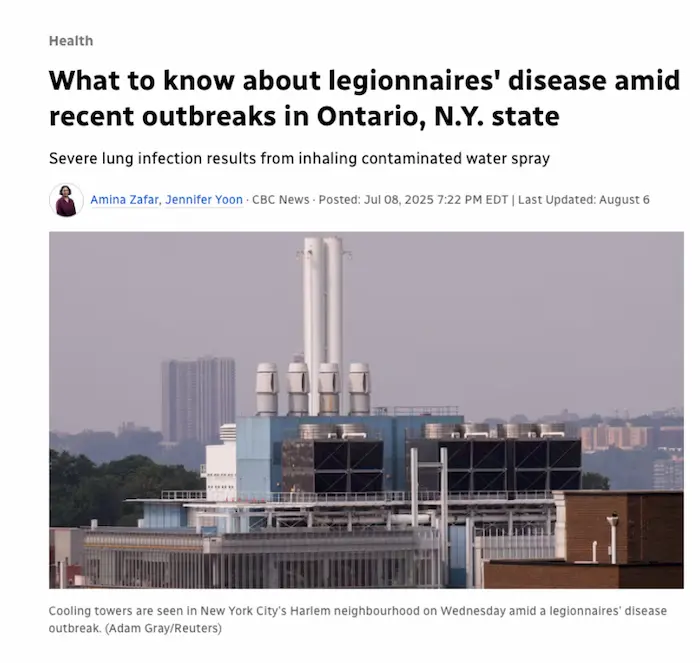
Recent outbreaks in Ontario and neighbouring New York State have put Legionnaires’ disease back in the spotlight.
For building owners, facilities managers, and public health professionals, it’s a stark reminder that Legionella bacteria can thrive in many common water systems and if left unchecked, it can cause serious illness or even death.
What Is Legionnaires’ Disease?
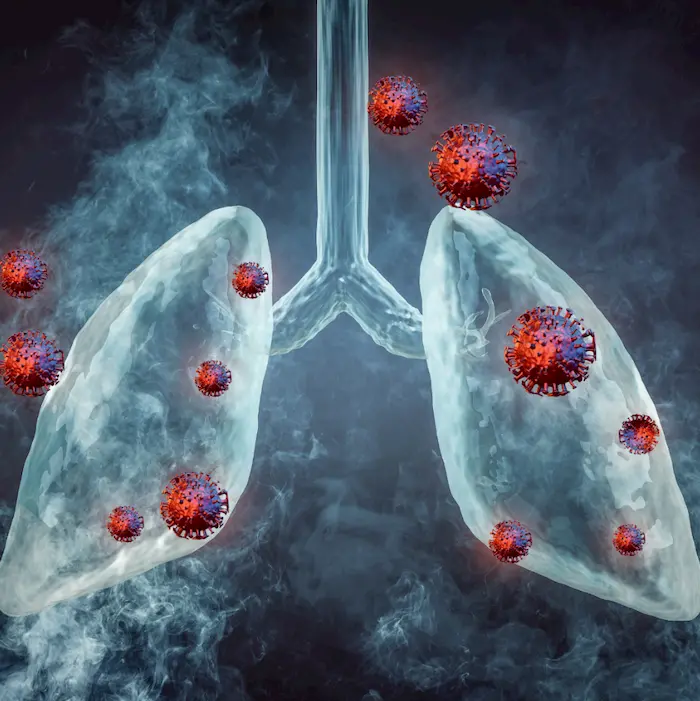
Legionnaires’ disease is a severe form of pneumonia caused by inhaling tiny droplets of water contaminated with Legionella bacteria. These droplets can come from:
- Cooling towers in HVAC systems
- Hot and cold water plumbing in large buildings
- Decorative fountains and spas
- Industrial process water systems
It’s not spread person-to-person, the risk comes from exposure to contaminated water sources.
How Common Is It in Canada?
While Legionnaires’ disease remains relatively rare compared to other respiratory illnesses, Canadian public health agencies have recorded consistent annual cases, with spikes tied to cooling tower failures, neglected water systems, and warm-weather surges.
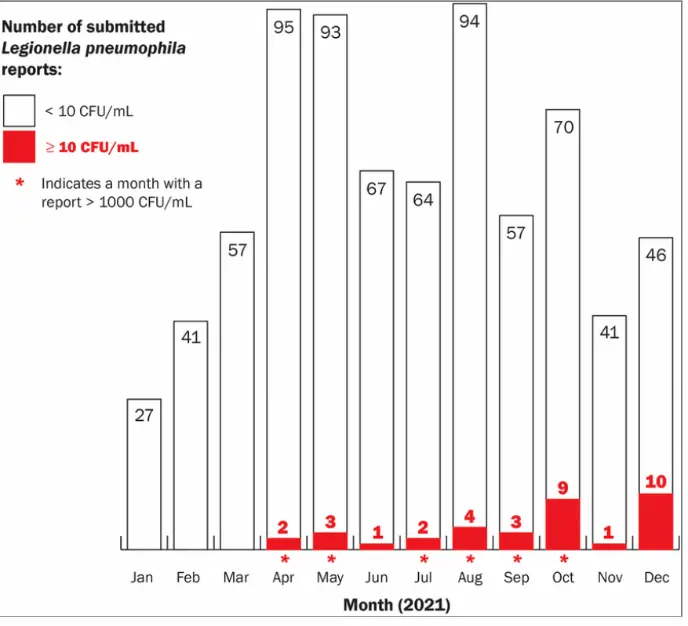
Ontario incidence trends and the Simcoe-Muskoka outbreak illustrate how neglected water systems and warm-weather conditions directly drive case spikes.
The underreporting data emphasises that the true scale of legionellosis in Canada is likely much greater than documented cases suggest.
|
Metric / Insight |
Value / Observation |
|---|---|
|
Cooling Towers Exceeding Safe Levels (Vancouver) |
30 out of 557 (~5.4%) exceeded Legionella thresholds in 2021 |
|
Ontario Incidence (2015 vs. 2019) |
Increased from 0.9 to 2.6 cases per 100,000 — over double |
|
Simcoe-Muskoka Outbreak (2022) |
35 confirmed cases in Sept–Oct; linked to a cooling tower |
|
Seasonal Spike Pattern |
Cases rise notably during summer months (June–September) |
|
Estimated True Burden (2015–2019) |
~1,113 legionellosis cases annually in Canada, vs. <100 reported |
The recent Ontario outbreak, paired with confirmed cases in New York State, highlights that the threat is not limited to older infrastructure or warmer climates, any poorly maintained water system can be a source.
Global Perspective: Legionella Is Everywhere
Outbreaks are reported worldwide, often linked to inadequate water system maintenance:
Where Is Legionella Most Commonly Found?
High-risk sources for Legionella bacteria include:
Why the Risk Is Rising in 2025
Key factors contributing to increased outbreaks:
What Building Operators Can Do Now
- Test water systems regularly for Legionella presence
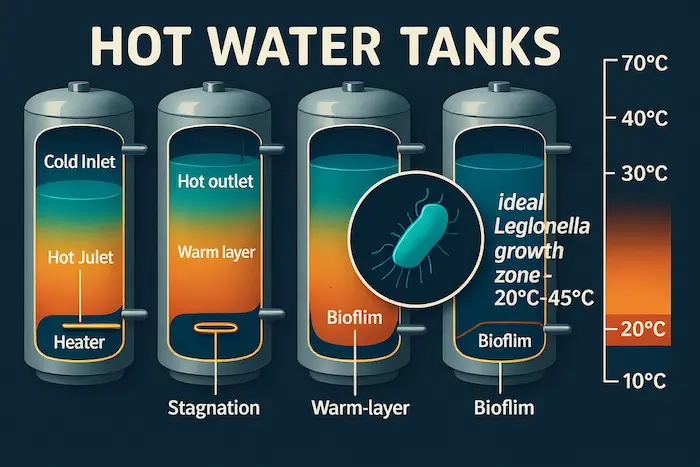
- Maintain safe temperatures (above 60°C for hot water, below 20°C for cold)
- Flush unused outlets to prevent stagnation
- Keep compliance records to meet regulatory requirements
How MobiusFlow Helps Prevent Legionella Outbreaks
Legionella risk management starts with accurate, continuous monitoring — but most traditional testing is manual, infrequent, and reactive.
MobiusFlow enables:
- Continuous water temperature monitoring in high-risk areas like cooling towers, hot water tanks, and distribution pipes
- Integration with certified Legionella sensors to detect conditions where bacteria thrive
- Automated alerts when temperatures or water flow patterns indicate potential risk
- Centralised compliance records to simplify audits and meet environmental regulations
By connecting sensors, legacy systems, and cloud analytics into one platform, MobiusFlow transforms fragmented building and industrial data into real-time intelligence — helping facilities managers detect problems early, take preventive action, and protect occupant health.
Protect your facility from Legionella risk.
Book a 15-minute consultation with our engineering team to see how MobiusFlow can automate monitoring and simplify compliance.
